Education
We teach on the following modules and programmes:
CIVE70111 – Machine Learning
MSc Engineering & Data Science Cluster (PG), Autumn Term (2024–present)

Supervised, unsupervised and reinforcement learning, with applications in civil engineering.
Students build and evaluate models in Python using scikit-learn and PyTorch.
CIVE60008 – Transport Systems
MEng Civil & Environmental Engineering (UG), Autumn Term (2012–present)
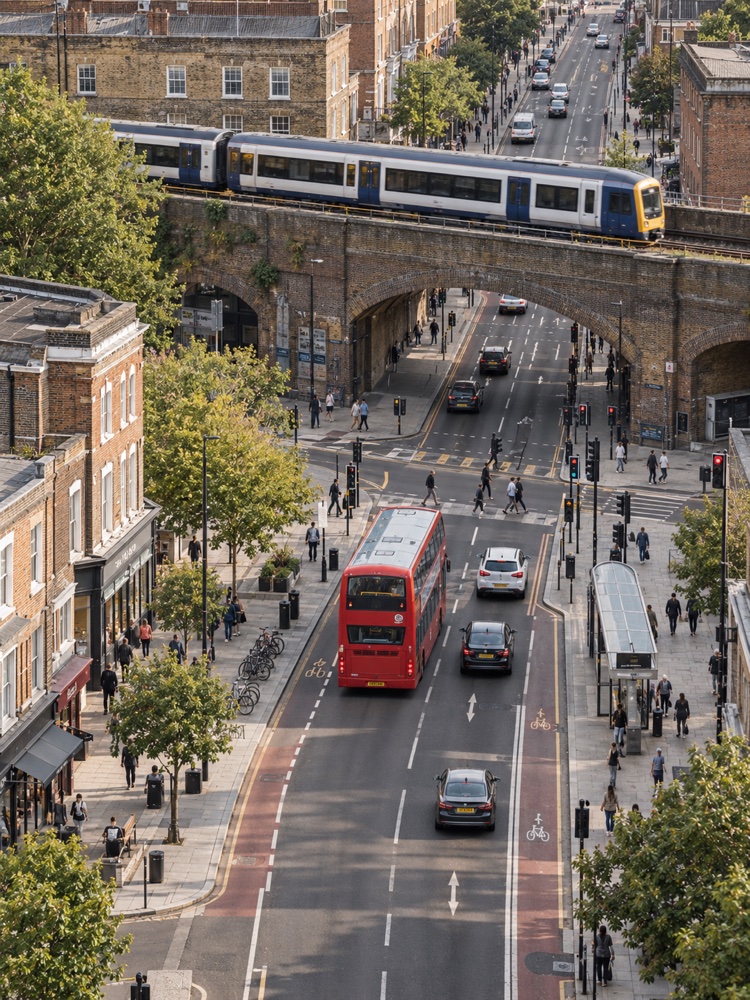
Network analysis and optimisation for transport planning and operations.
Topics include shortest paths, network resilience, facility location, vehicle routing, mathematical programming and optimal control.
CIVE70108 – Freight Transport
MSc Transport Cluster (PG), Spring Term (2020–present)
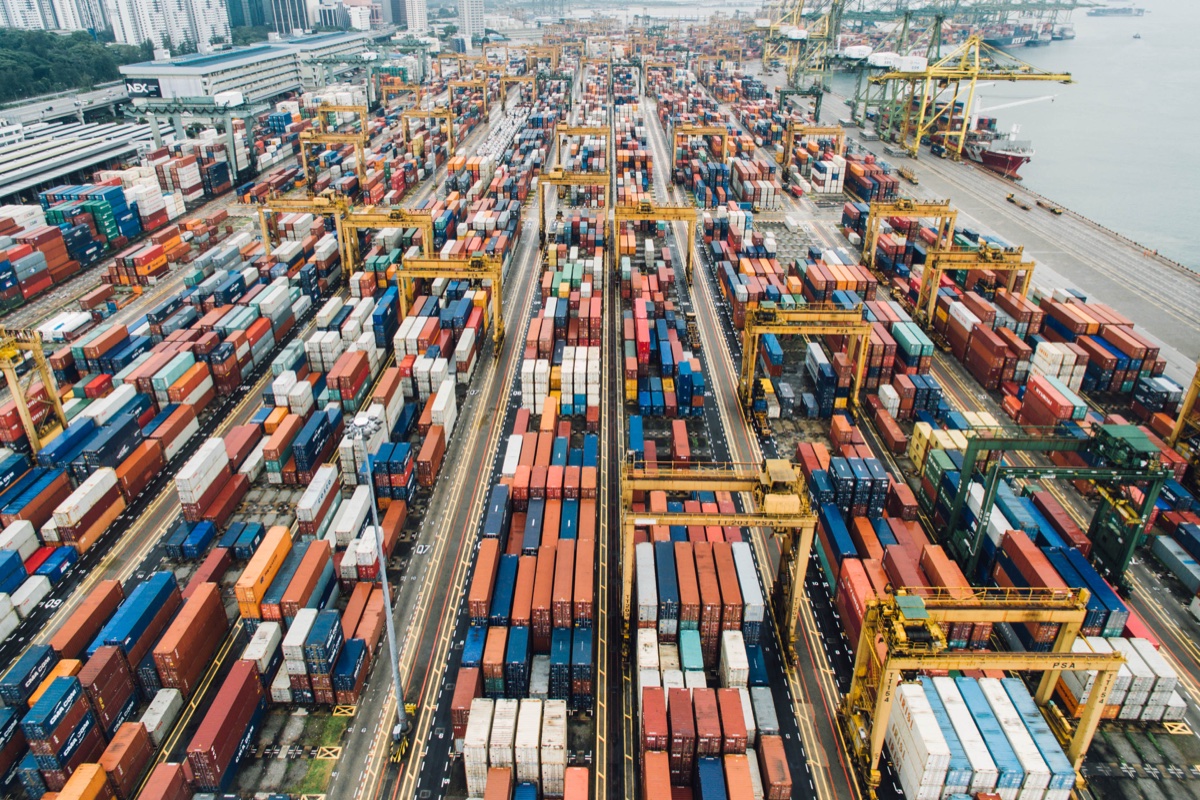
Freight transport operations, supply chain management and distribution.
Students use mathematical models and optimisation to study freight decisions at urban, national and international scales.
Maritime Sustainability Programme
Imperial College Business School with CMA CGM, at TANGRAM

Executive education for CMA CGM employees at TANGRAM in Marseille, attended by more than 1,000 participants across 18 cohorts.
We taught shipping decarbonisation policy, technologies and operational measures to reduce emissions.
Risk Management Programme
Imperial Lifelong Learning, Executive Education (5 days, in person)
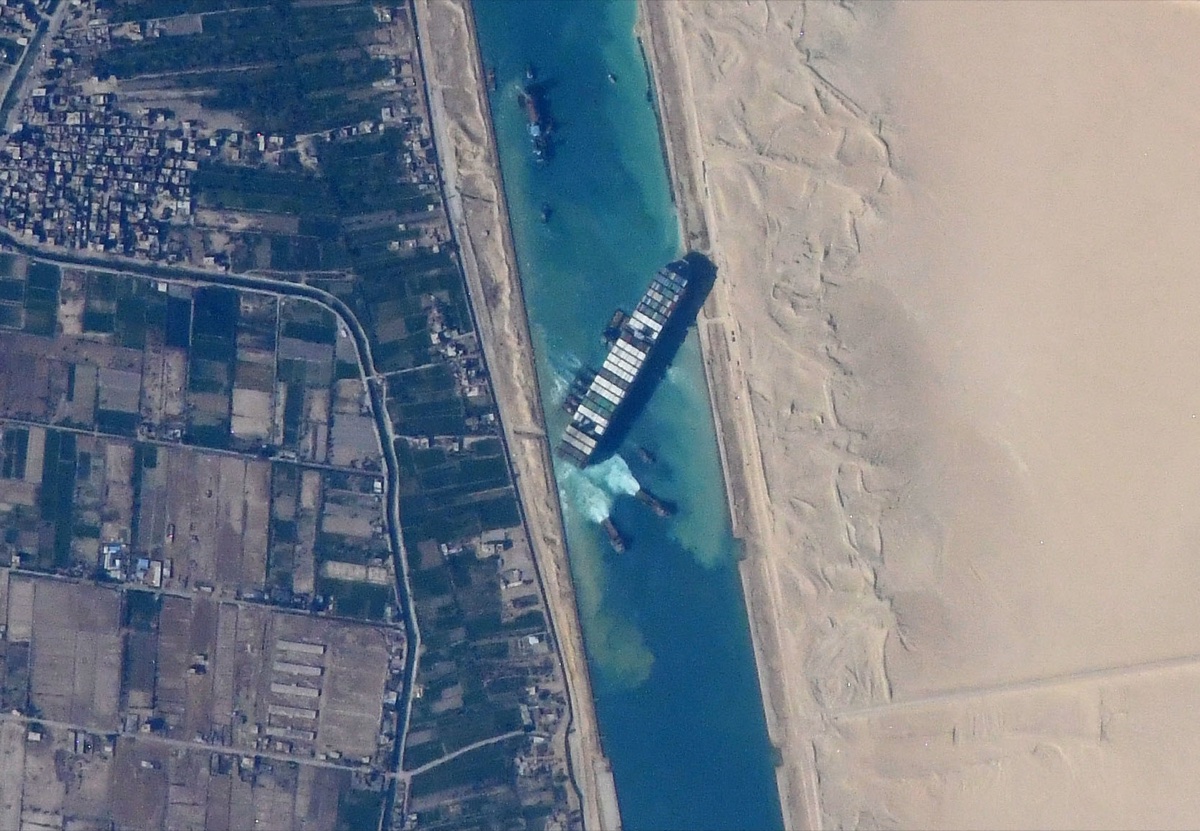
Imperial’s five-day Risk Management programme covers financial and non-financial risk.
We teach the supply chain session: identifying vulnerabilities, assessing disruption and improving resilience.