CIVE60008 Transport Systems
Explore network representations and routing algorithms through interactive demonstrations based on the lectures and tutorials.
Lecture 1: Network models
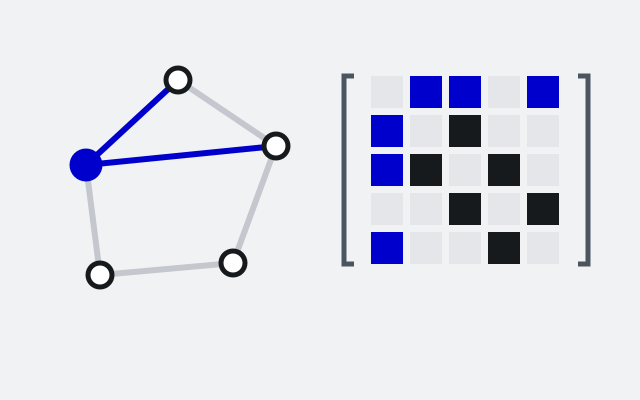
Connect nodes and edit the matrix, node table and link table together.
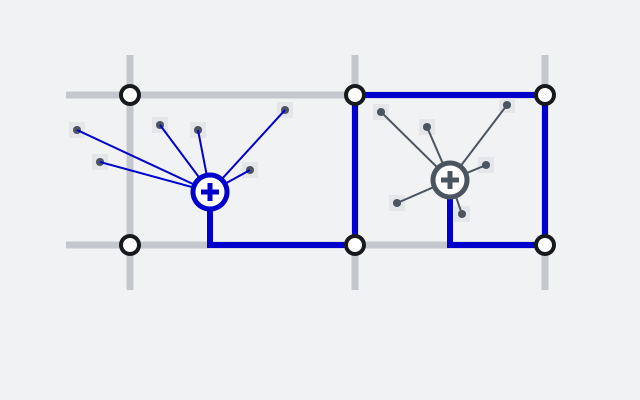
Explore buildings, synthetic households, street access and aggregated demand.
Compare road, rail, metro and airline connections.
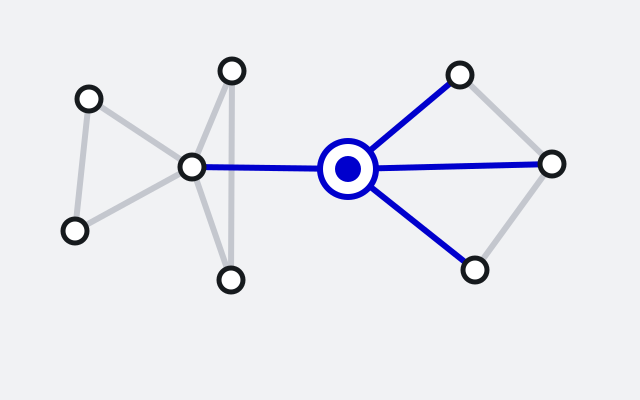
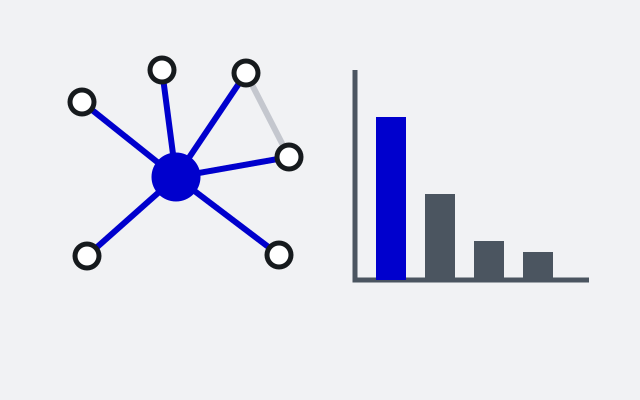
Inspect degree, closeness, betweenness and eigenvector rankings.
Lecture 2: Algorithms
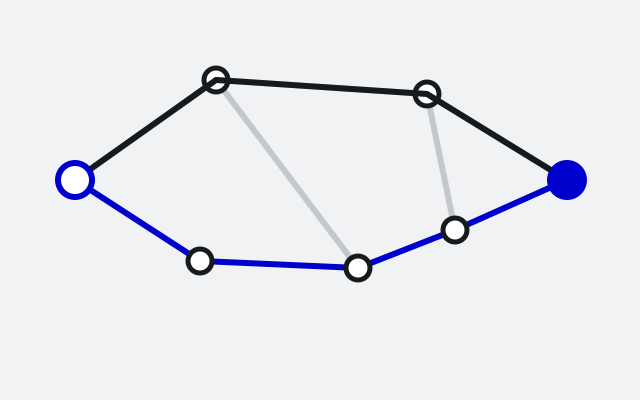
Compare fewest links with least cost, and inspect all-pairs distances.
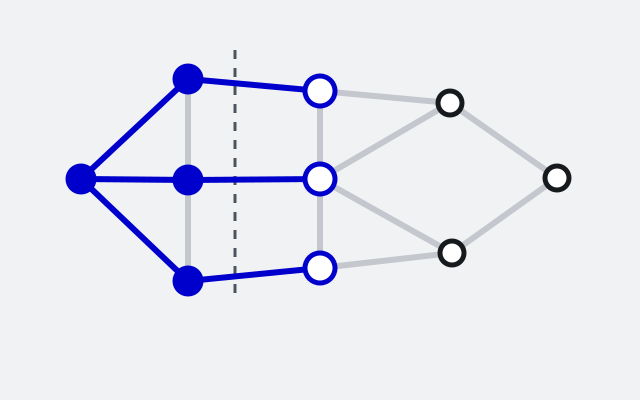
Build the loose-end table one expansion at a time.
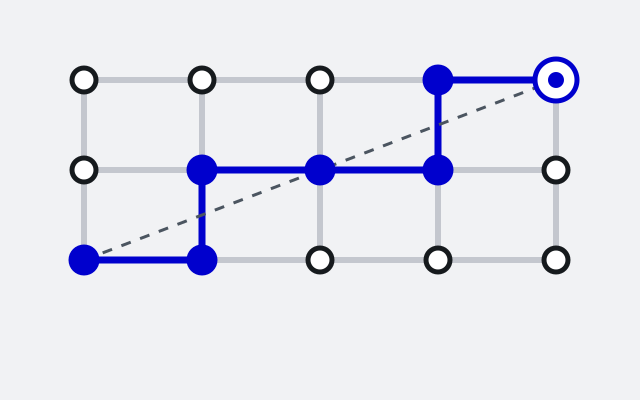
Compare informed search with Dijkstra and greedy search.
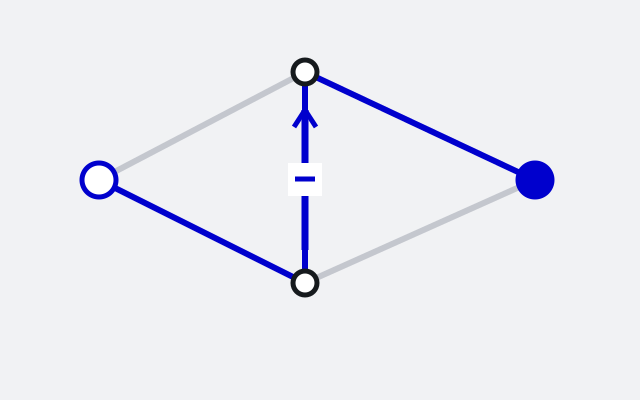
Examine Dijkstra’s assumptions and Bellman–Ford relaxation.
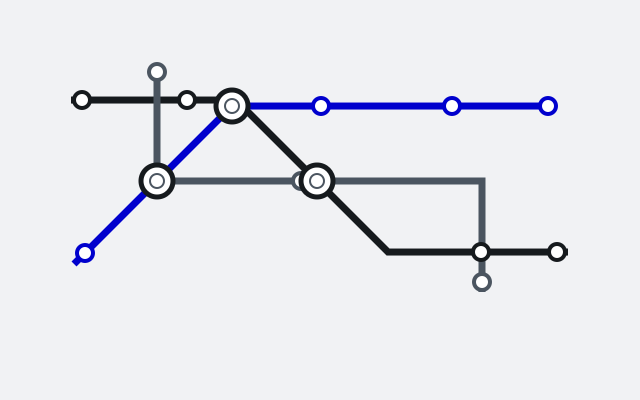
Route through a waypoint and account for rail-service changes.
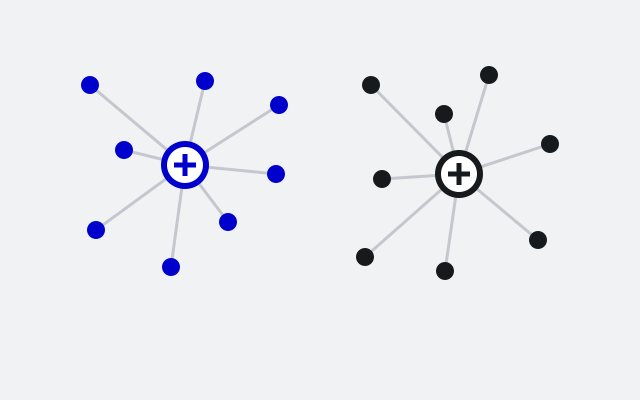
Assign sites and recalculate distribution-centre locations.